November 1, 2021
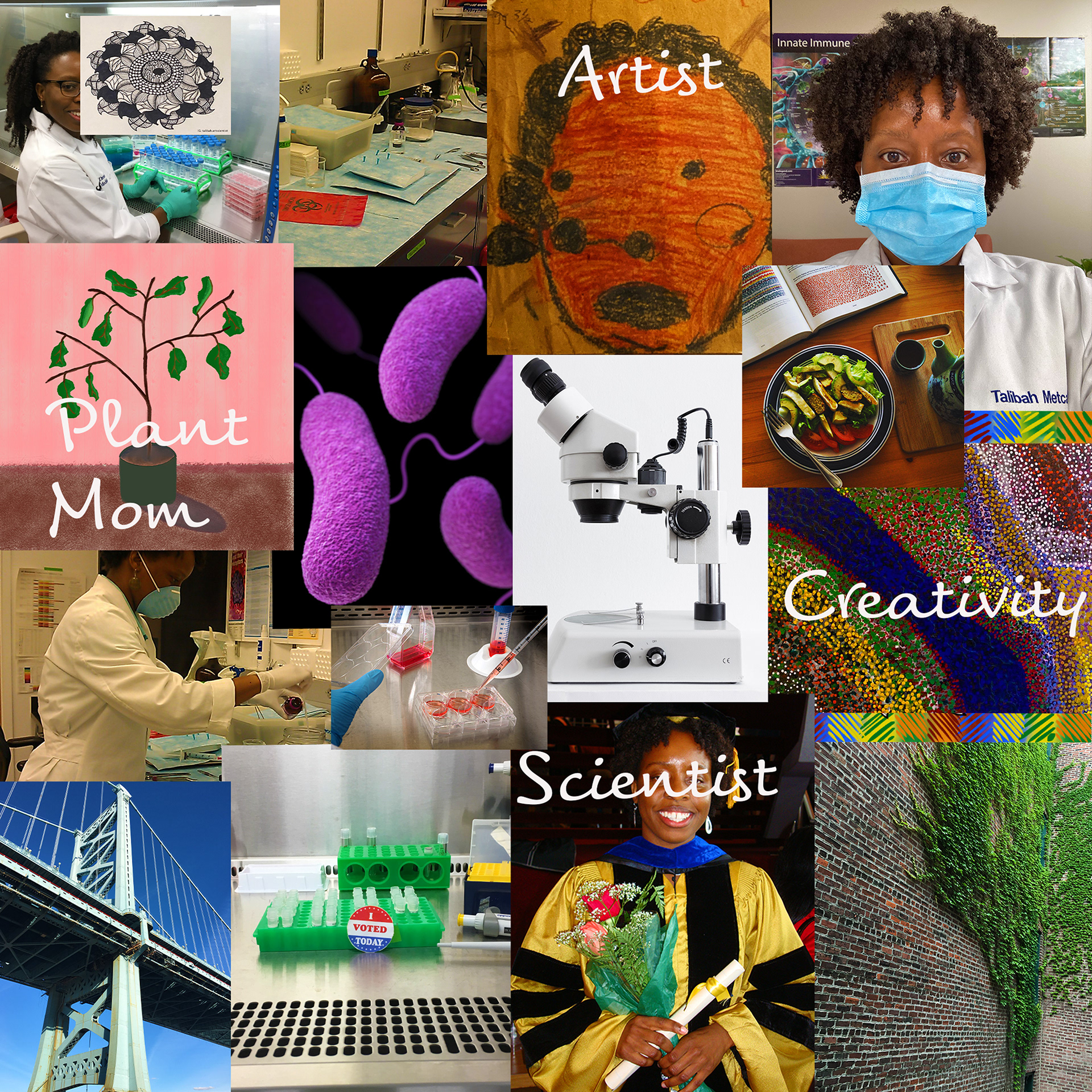
This is my origin story.
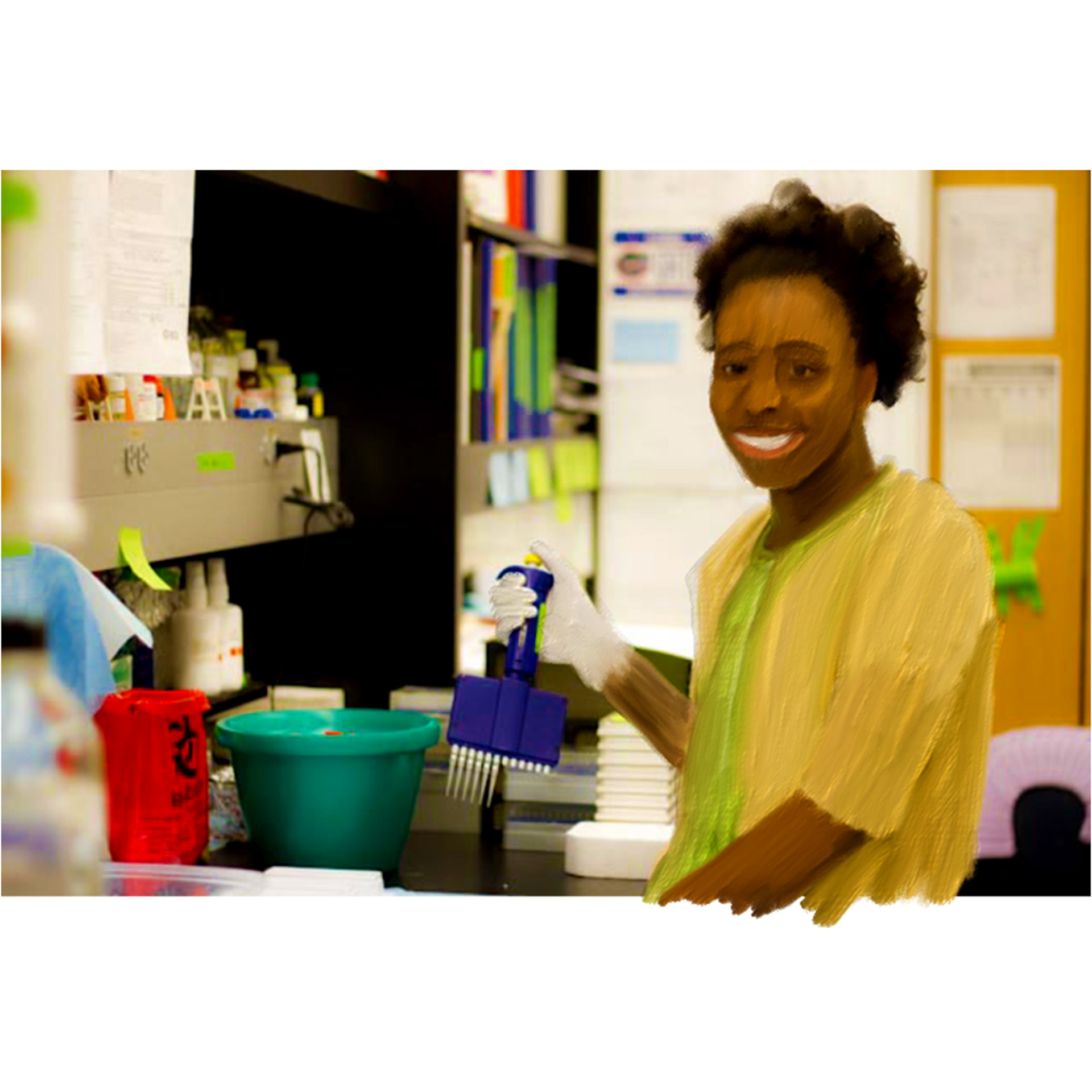
Researching my curiosities has always been the driving force in my career journey. When I was in middle school, my parents gave me a toy microscope and told me to have fun but stay out of trouble. I spent this time studying the ecosystem of my yard and the surrounding wooded area. My earliest most impactful discovery was the presence of microparasites living in rain puddles. My mother promptly stopped my brother and me from playing in standing water. This discovery had the added benefit of increasing our family trips to the beach. In addition to being a biologist, I was a chemist mixing different chemicals to see their reaction. However, I was prohibited from continuing my chemistry experiments after making something that burned through a plastic bottle, a thick cardboard box, and damaged a bookshelf. But being an up-and-coming biologist and visual artist was still encouraged.
However, when it came time to pick a major for college applications, my high school guidance counselor thought I was better suited as a nurse. So I enter college as a pre-nursing major. But after two yrs of taking science courses, I fell in love with microbiology. So I changed my major and set out on a path to research my curiosities. This curiosity was also the causative agent that led to my desire to better humanity and increase the presence of black scientists (and women) in the science field. My science projects over the years have ranged from studying the biochemistry system of soil-living amoeba Dictyostelium (master thesis), mice CNS adaptive immunity to alphaviral infection (doctoral dissertation), to my current projects focusing on the human immune responses to vaccines, infectious diseases, and aging.
Research can become increasingly isolating. During our Ph.D. course studies, we have time and are required to learn and experience different science areas, but by the time we reach graduation, we have become laser-focused on one micro research area. As we get deeper into our research area, there is little time or energy to read and learn about other science disciplines. As a result, we often find ourselves grouped with like-minded scientists in our areas of expertise, isolated from the rest of science. During my postdoc, my time at the bench became my comfort zone. And I once read, “A comfort zone is a beautiful place, but nothing ever grows there .” This is what slowly started happening to me. I stopped growing.
After my postdoc, I took on a senior scientist/research manager position. I was feeling accomplished but not challenged. My lack of growth was wearing on me mentally. I was afraid to move from my comfort zone, but my personality thrives on learning new things, rising to challenges, solving problems, and organizing chaos. Science is discovering more about ourselves, life on earth, and beyond. As a scientist, I have been fortunate to pursue my curiosities. So, what is the next step in my career? What are my interests and passions? As I was asking myself these questions, I started to notice a growing surge of distrusting scientists with pushed back against vaccines and climate change. I have spent the last ten years studying the immune response to pathogens, vaccines, and aging, and seeing such levels of distrust was disheartening. I realized I wanted to step back to gain a larger picture of science and see how discoveries fit together, so I could help others to understand science better.
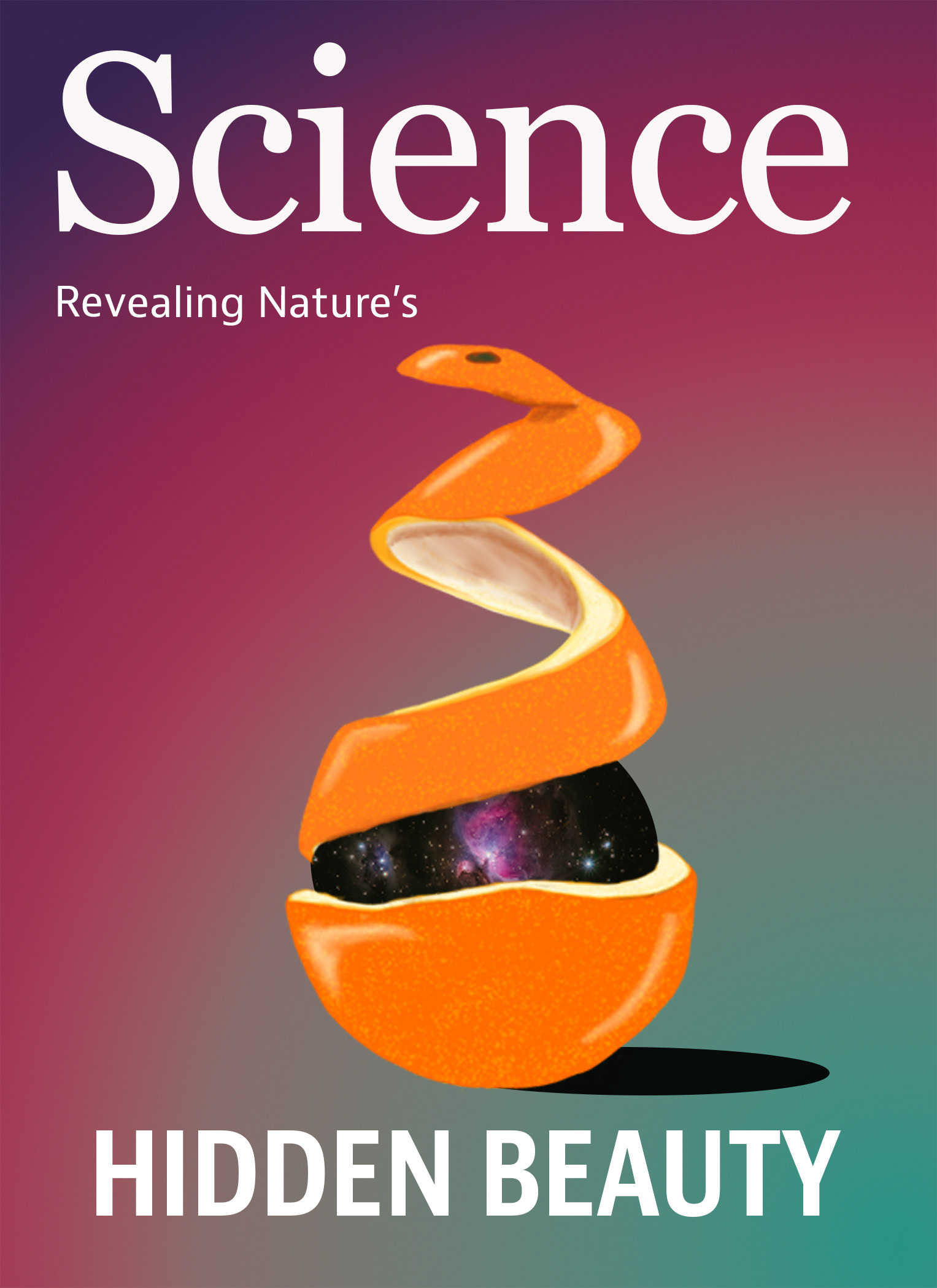
(Image drawn using Adobe Fresco and Photoshop)
December 18, 2021
What is Science?
I have recently been thinking about the direction of my science career, and I asked myself this question.
According to collegiate dictionaries, science is the system of acquiring knowledge and understanding of the natural and social world using observation and experimentation to describe and explain observed phenomena.
From a spiritual perspective, science provides insight into the hidden beauty created by the Creator. It reveals the complexities, patterns, and co-dependence that make up the living system, Earth, and universe.
Combining these two perspectives, the definition of science is the system of acquiring knowledge and understanding of God’s creation. I’ve been so busy completing experiments, analyzing data, writing papers, and advancing my career that I lost my mindful appreciation for the wonders that make up the world. My childhood wonders are why I became a scientist in the first place.
It’s time for me to return to having fun exploring God’s creation.
(Image drawn using Adobe Fresco and Photoshop)
December 31, 2021
Peering from the edge.
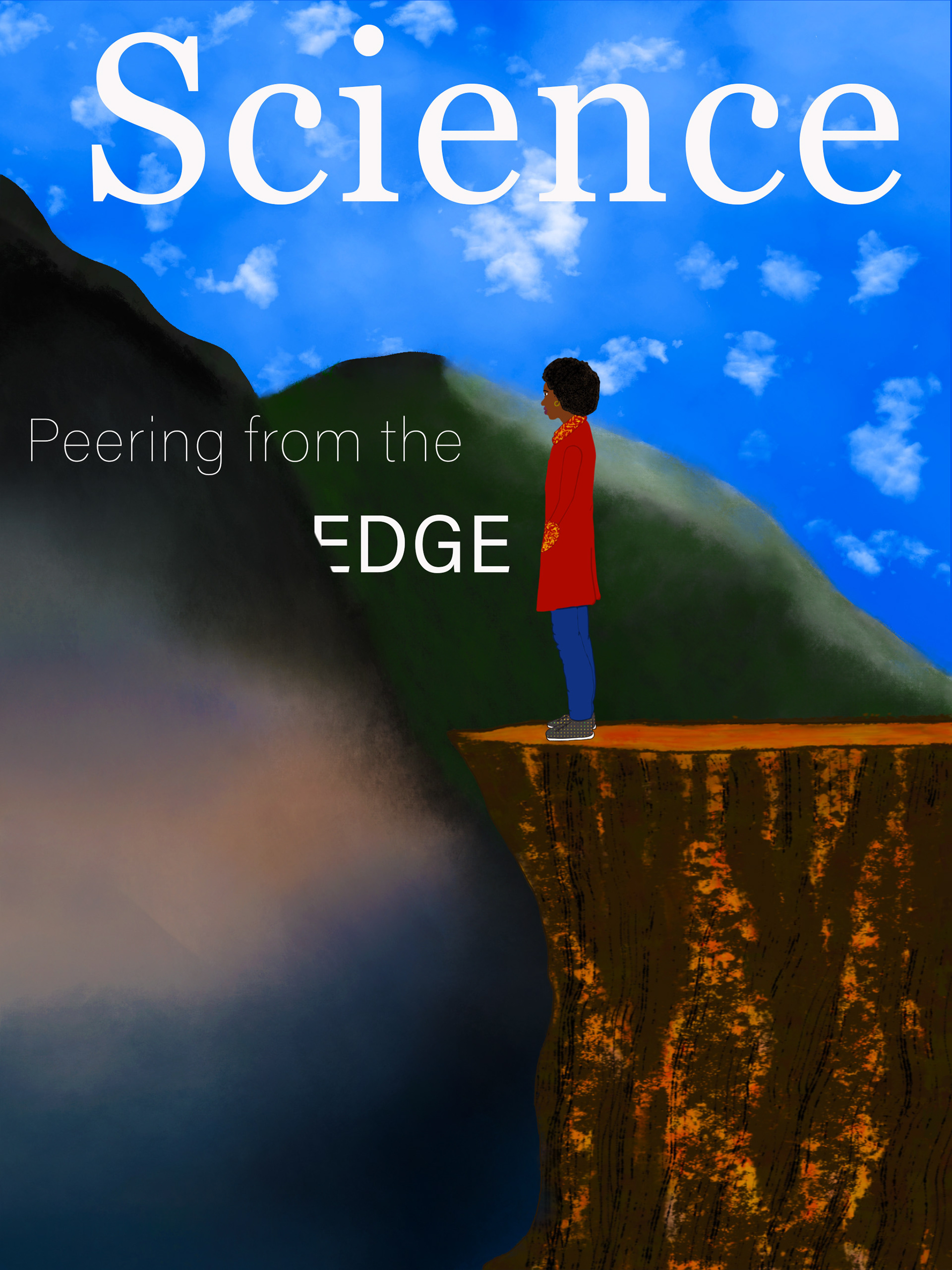
At the end of 2021, I find myself peering from the edge of a career path that ended abruptly. At the end of this path was unknown territory.
I have done many of the items listed under “how to have a successful science career” including receiving an advanced degree, having first-author publications, advancing skillsets, and working on cutting-edge translational research projects. Nevertheless, here I was standing at the edge of it, feeling like I made a wrong turn 100 miles back. If I’m completely honest with myself, I have been working toward this edge for a long time. Neglecting my creative calling while pursuing research has left me feeling discontented.
Now I have been given an opportunity for a fresh start. I can’t be afraid of the future, of living a life without a defined career blueprint that science has provided over the years. I will take a leap of faith and pursue creative opportunities that fulfill the scientist and artist in me.
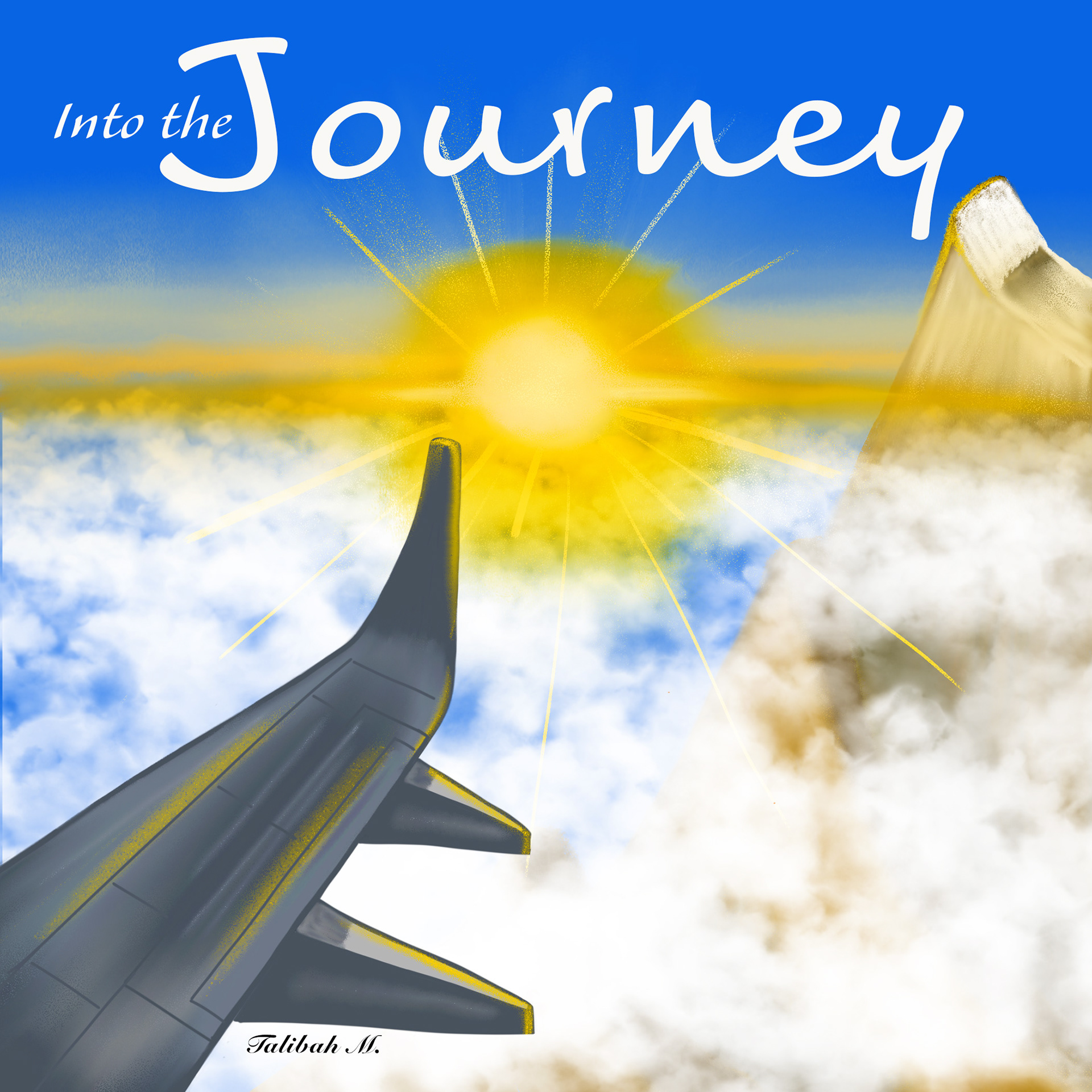
(Image drawn using Adobe Fresco and Photoshop)
January 10, 2022
Into the Journey!
This is my journey of discovering my love for science again and growing as an artist. Of exploring not just my field of immunology but all fields of science.
My purpose is to use my analytical thinking and art skills to help others understand scientific concepts and how science functions as a unit. Science is an ever-changing topography of proven concepts. Multiple factors influence research, including advancing technology, more collaboration between different fields of study, and increased diversity in the lab. This results in constant adjustment to what was previously known. Most importantly, scientists conduct research under the code of honesty and good faith.
This is my journey of exploring science and having fun while doing it. I pray for God to continue helping me develop my skills and provide opportunities to share them.
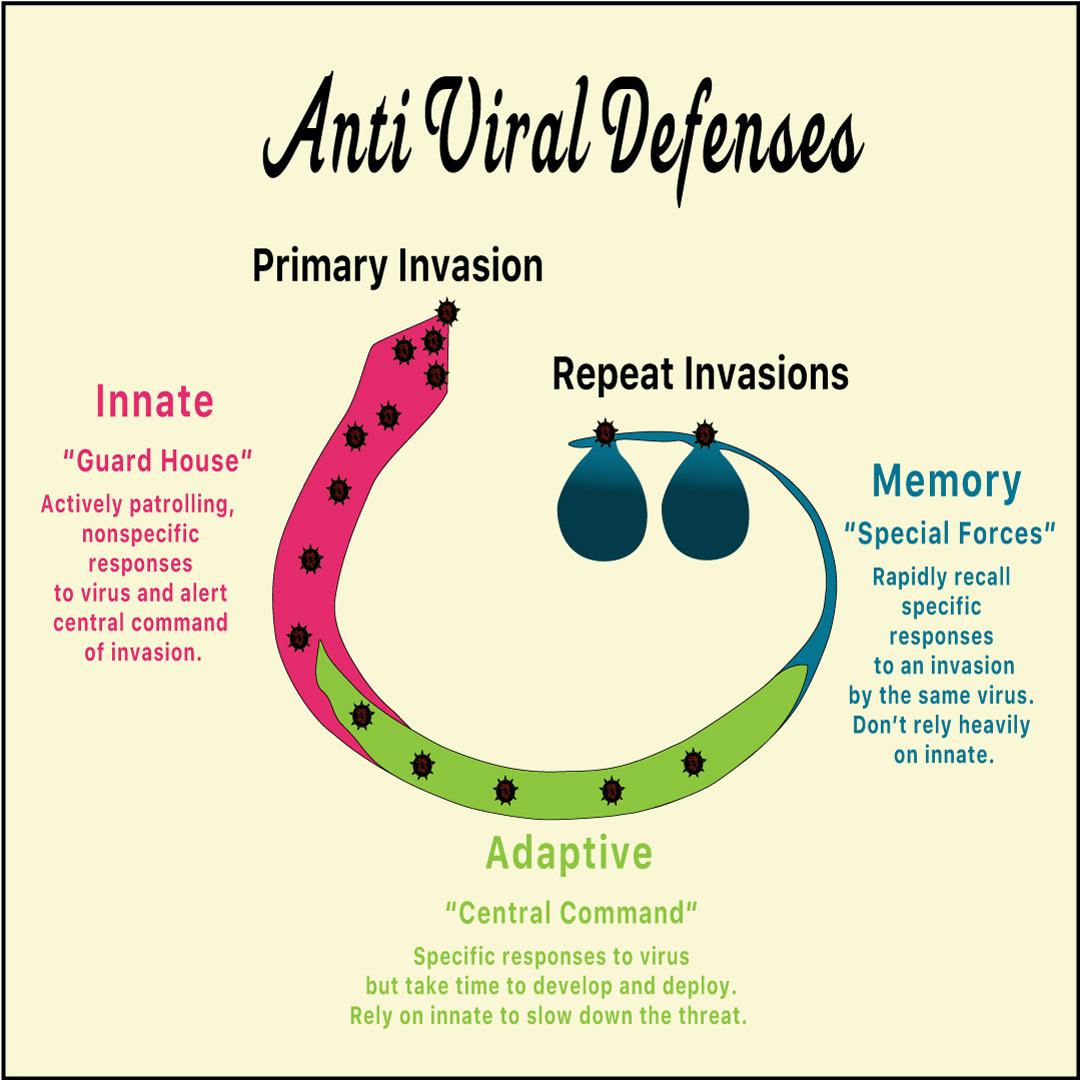
Design A depicts a simple playful graphic of the human immune responses to viruses. Created using Adobe Illustrator.
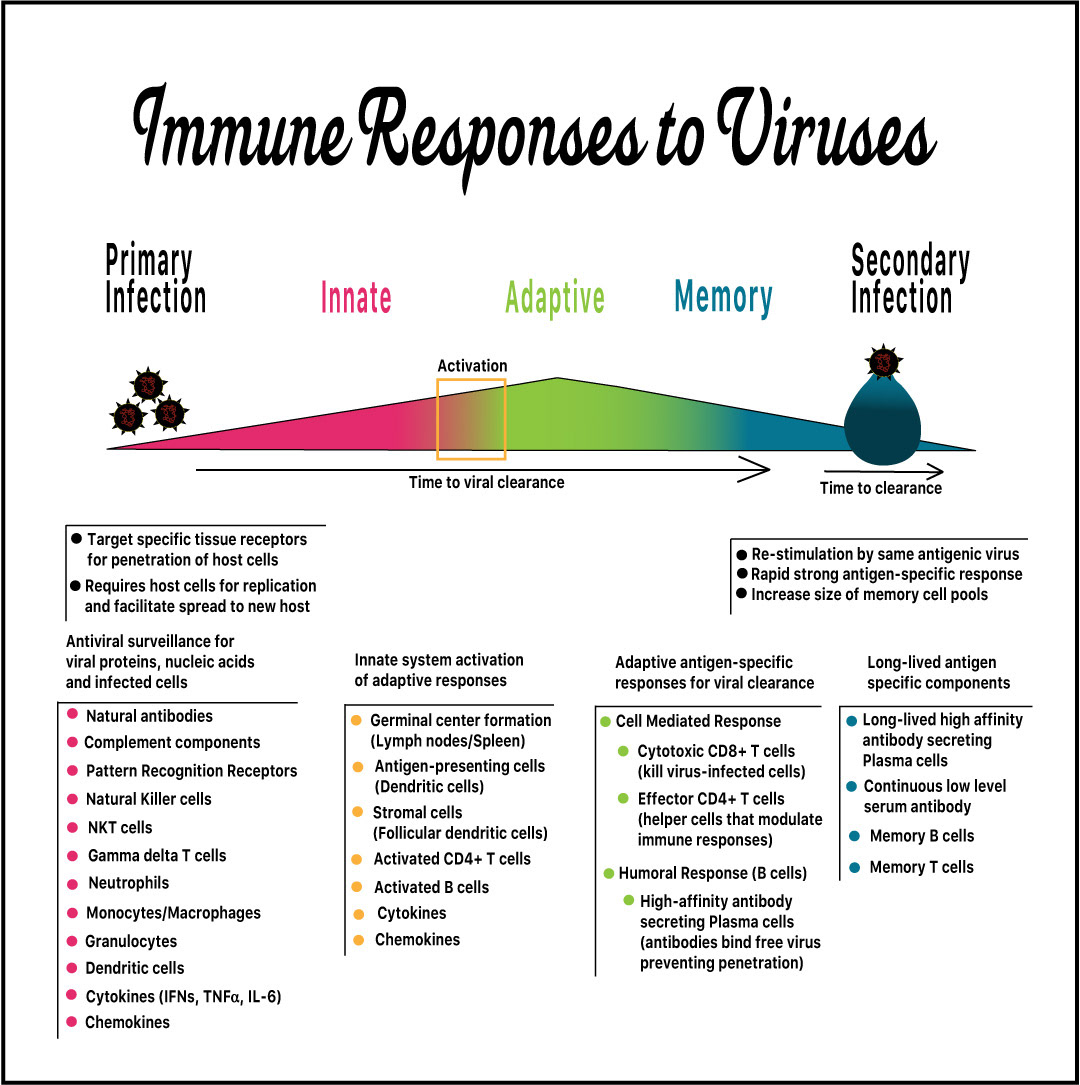
Design A depicts a detailed-heavy graphic of the human immune responses to viruses. Created using Adobe Illustrator.
January 22, 2022
Questions?
I started designing infographics as a fun way to explore science communication and graphic design. I decided to do an infographic on a familiar topic, the human immune responses to viruses. However, I quickly realized knowing a topic well does not make it easier to create a visual design. The scientist in me, who wanted to showcase all of her knowledge, kept getting in the way. So, I took a step back and asked myself a couple of questions. What is science communication, who is the target audience, and what are the principles of a good design? Next, I went to Google to get some answers.
Science communication is the blending of science understandings with creative writing, speech, or visual storytelling to inform, educate, raise awareness, or spark wonder. The degree of communication depends on the target audience’s knowledge of the science-related topic. A target audience can range from our family, students, doctors (talking to their patients), politicians (voting on science-related bills), or scientists (in the same or different discipline). Finally, there are only eight basic design principles when designing a graphic layout; alignment, hierarchy, contrast, repetition, proximity, balance, color, and space. Cool, this is easy. I can get back to designing. Just kidding, all three of these topics are individual courses; and I will only have the fundamentals at the end. It’s going to require practice, making mistakes, and moving forward after learning from them.
But a recurring theme was “keep it simple." So, using myself as an audience, I decided to design infographics for two different situations. Design A is a simple design for strolling Instagram while standing in line at Trader Joe’s. Design B is a detailed-heavy design for learning the basics of a topic (or refreshing your memory). For example, this could be for doctors who need to be informed but do not have access to or time to read research articles.
So, what is the take-home message? First, to continue learning the fundamentals and practicing. Second, I realized designs should be simple and easily adaptable to different situations. Finally, and most importantly, I need to remember to enjoy the journey and not be too focused on reaching the destination.
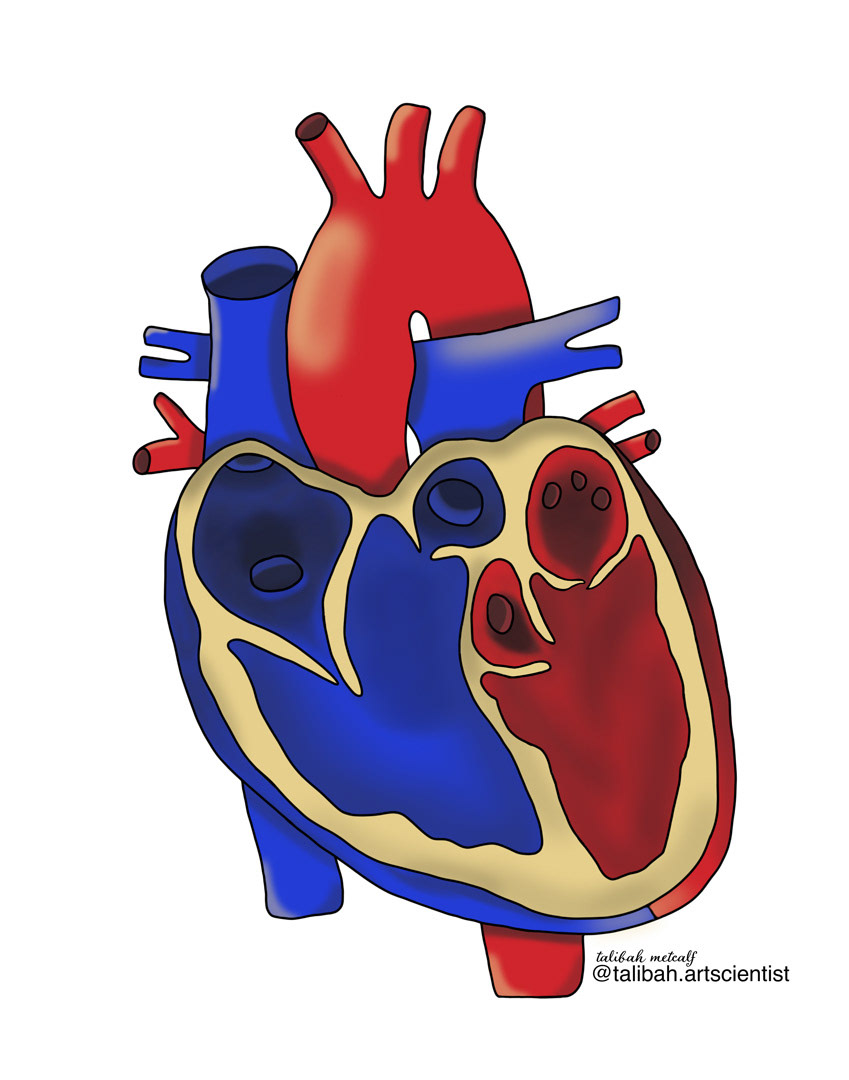
Created using Adobe Fresco (pixel art)
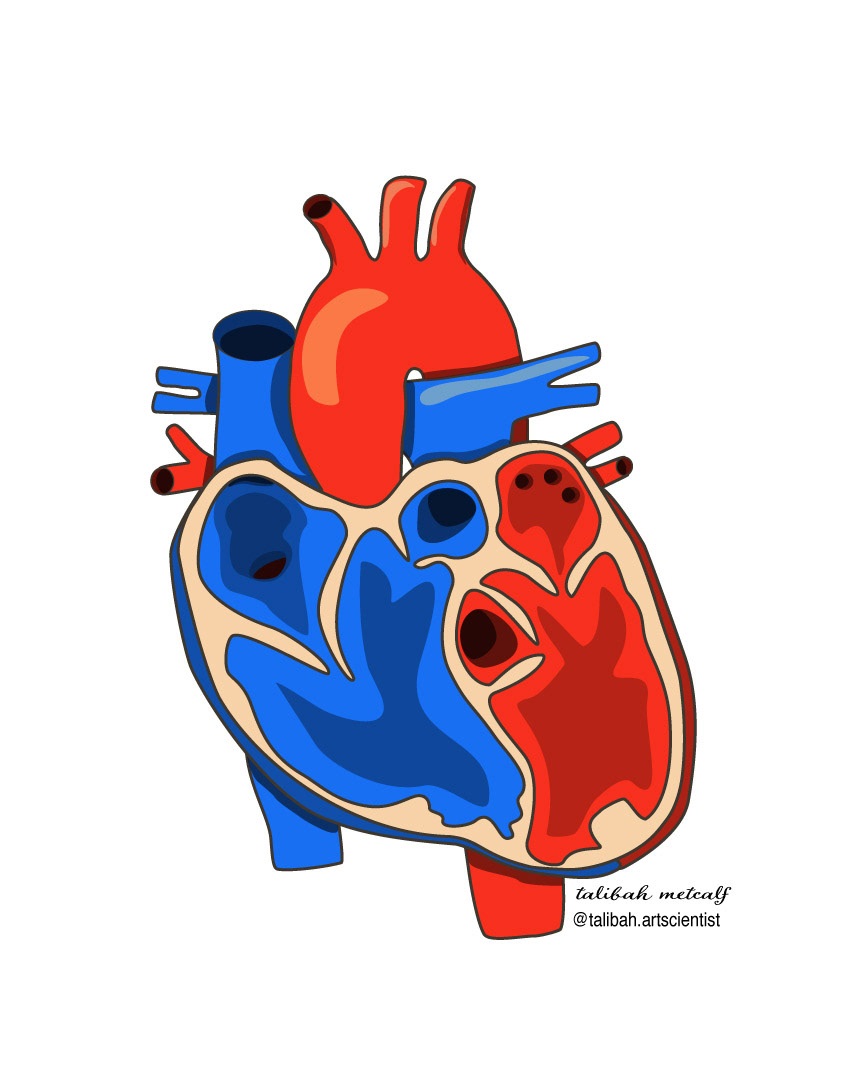
Created using Adobe Illustrator (vector art)
March 15, 2022
Work in Progress.
Recently, I was working on a project summarizing a research article into a presentation. The research focused on a drug treatment that reduces heart failure. I decided to create an illustration of the open heart to depict different anatomical features to use with the definitions of key terms in the manuscript.
I was curious how the design would look using two different methods, so I made a pixel art design using Adobe Fresco (top figure) and a vector art design using Adobe Illustrator (bottom figure). This exercise also provided an opportunity to do a complex design using Illustrator. After completion, I was so excited. I celebrated with a little happy dance in my living room.
My excitement was due to the realization of how far I have come over the past year. I started this journey being unsure about spending money on a new iPad (with pencil), digital art apps and software, and online graphic design courses. But I took a leap of faith into unfamiliar territory and started creating one project at a time. There is still a lot to learn, but I wanted to take a moment to appreciate my hard work.
Sometimes we can get so busy comparing ourselves (our work) to other people (to other artists and scientists) that we don’t realize how great we are as an individual. We are all dedicated to learning our craft, and we need to have moments when we look back to see our journey. This will provide an appreciation of our hard work and motivation to continue moving forward. However, if we wait for validation from others (including our family, friends, or social media), we could be in for a rough ride.
The Artist’s Way (by Julia Cameron) teaches us to look at our creativity as our artist child. And as a parent, we need to provide a safe environment so our artist child can feel safe to explore and grow. This safe environment is created with self-nurturing, giving ourselves valuable time, and pausing to listen to our inner thoughts and feelings. Our source of positive reinforcement starts from within and supports our creativity. And this self-validation allows us to build our journeys on a solid foundation.
So, as I continue to learn and develop my skills, I will take moments to give my artist child a hug, tape their artwork to the wall, and tell them how unique they are. But I would not be able to do all this without having faith in God. When things start to look hopeless (and the fear becomes too much to bear), my Creator provides guidance, strength, and love. This gives me the motivation to appreciate my hard work and move forward.
Created using Adobe Fresco and Photoshop.
March 31, 2022
Travel light
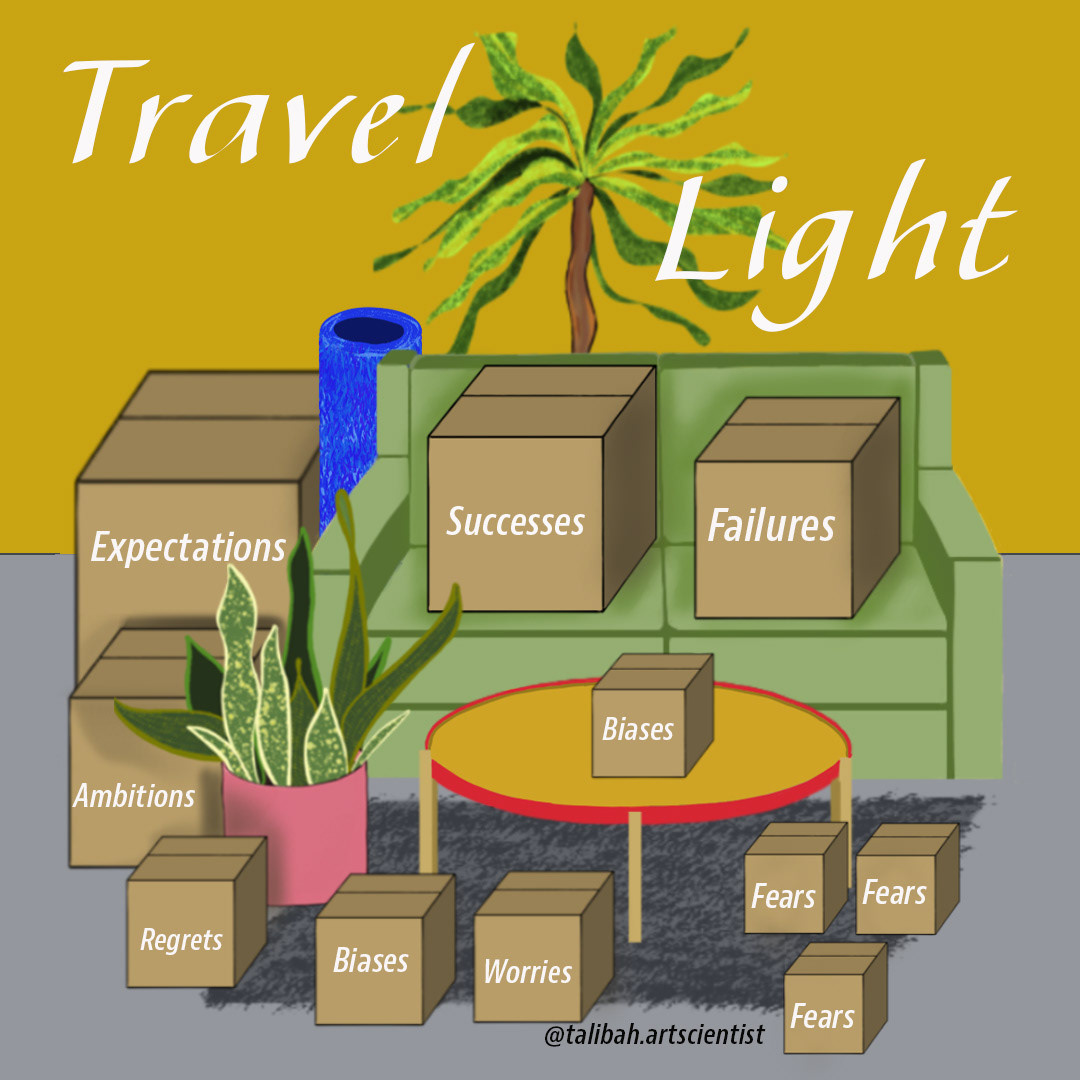
As I get ready for a potential move, I'm thinking about my household items and which ones get packed, trashed, or donated. I also need to declutter sentimental items that get transported to new locations without thought. This got me thinking about my current journey of self-discovery (of rediscovering my love for science and growing as an artist). How many unnecessary items are traveling with me on this journey?
As we travel through life, we accumulate mental/emotional baggage containing our failures, regrets, expectations, ambitions, fears, anxieties, and preconceptions. The weight from this can slow down our journey. And cause hesitation in our steps, especially when it comes time to travel in a new direction and experience new things. Even our successes can hamper our desires to try new things. My journey would be more productive and rewarding if I traveled light. Decluttering emotional baggage will take time but being aware of their negative influence is a step in the right direction.
Traveling light also includes letting go of my love for excessive planning. When traveling, I’m often so busy planning, organizing, and directing that I do not live in the moment and enjoy the trip. And as a scientist, before starting any experiments, we are trained to plan out protocols, explore all possible outcomes, and gather necessary tools and reagents. So, letting go of my excessive planning will not be an easy task for me. But for this particular journey, I don’t need a fully developed plan. I don't need to know expected outcomes or have a measurement of success and failure.
I need to have a flexible itinerary and not be encumbered by excess baggage. I need to travel light.
April 8th, 2022
Blog Short
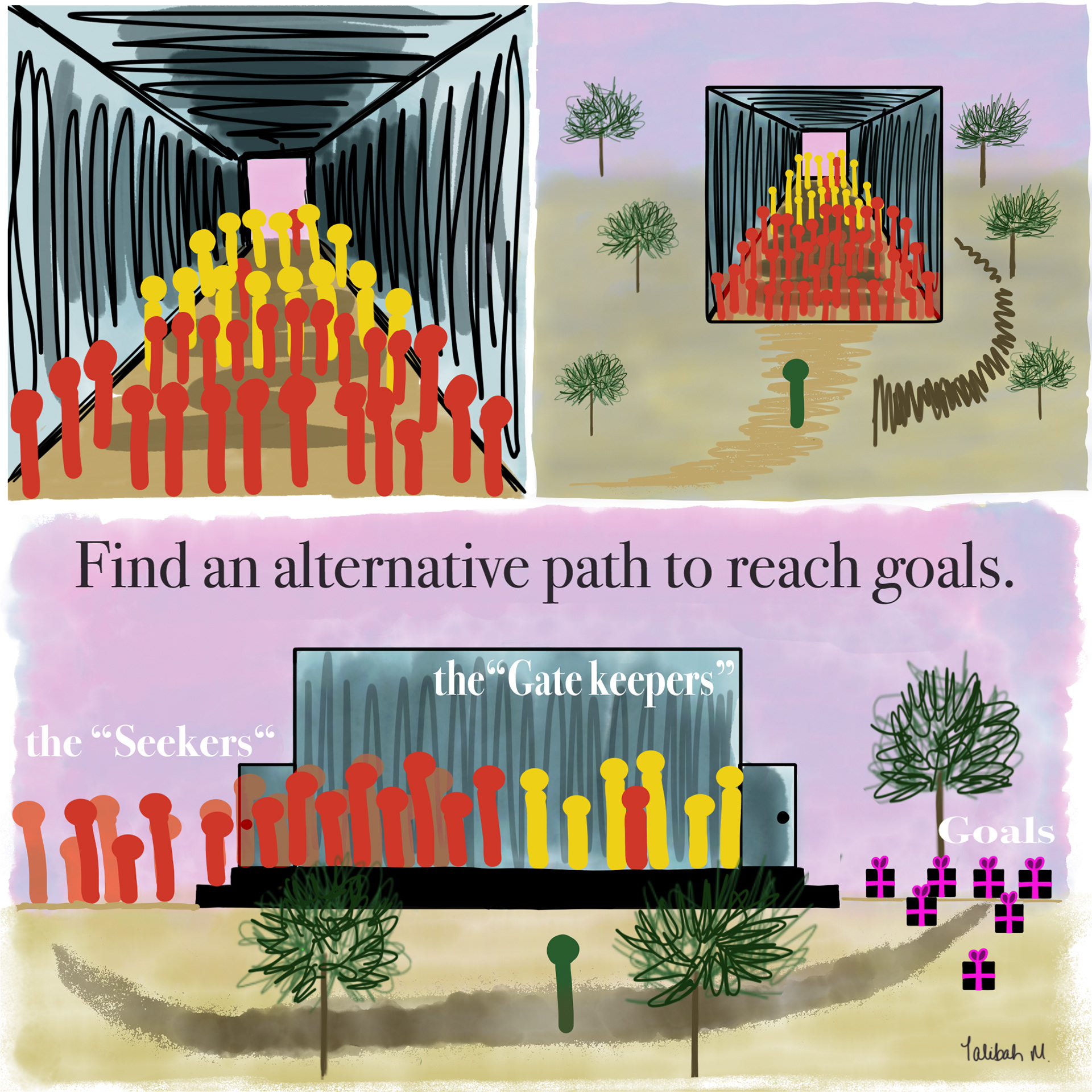
The last couple of weeks has been mentally challenging. I recently read No's = new opportunities. So as I face my no's, I need to remember if the main path to my goals is blocked, then look for an alternative approach. It might not be an easier path, but it will keep me moving toward my goals.